
5 Costa Rica Beach Towns That Are Still Affordable in 2026 (And What They Don't Tell You)
Tamarindo hit a median of $520,000. Santa Teresa is averaging over $2 million. Here are five towns where you can still get in without selling a kidney — and the real tradeoffs for each.
A three-bedroom house in Santa Teresa now averages above $2 million. I know people who bought there in 2016 for $280,000. Good for them. Rough for you if you're shopping today.
I moved to Costa Rica in 2014 and I've been in and around this market ever since. Bought, sold, helped clients buy, watched a few of those clients overpay badly. The honest read on 2026: the Guanacaste Gold Coast and the Nicoya surf towns have priced out a big slice of buyers who were still fine three years ago. But the country isn't one giant bubble. There are places where $200,000–$350,000 still buys something real, with beach access, and without a two-hour pothole crawl to the nearest grocery store.
Here are five. Not ranked. Each with a real catch.
Is Playa Hermosa (Guanacaste) Actually Cheaper Than Its Neighbors?
Yes. But only next to Coco and Tamarindo, which isn't saying much.
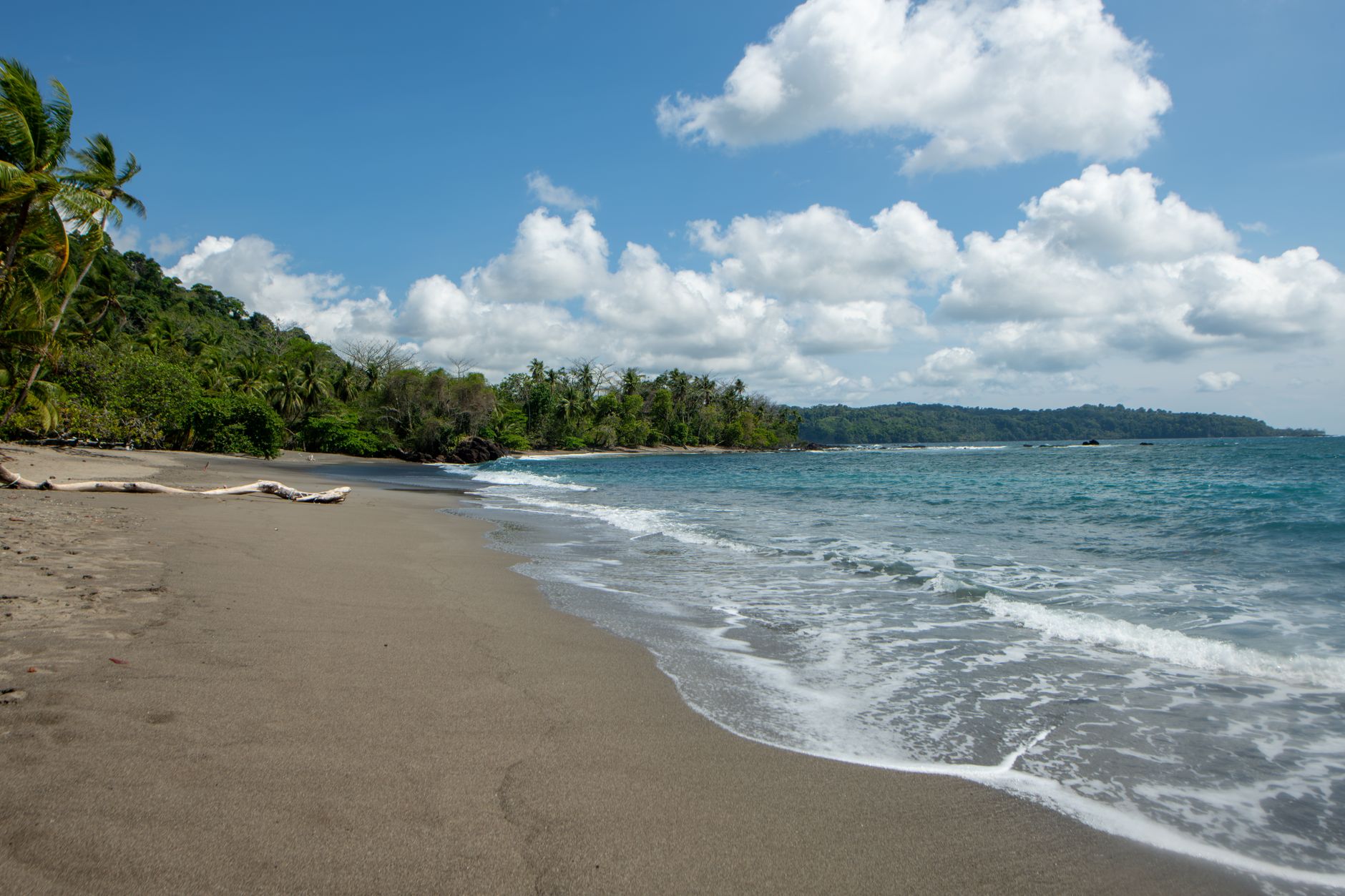
Playa Hermosa sits about 20 minutes south of Liberia's international airport on a grey-sand volcanic beach. It never got the Instagram treatment Tamarindo did, so it stayed quieter and, for a while, cheaper. Entry-level single-family homes still list $375,000–$500,000, and you can find building lots from around $100,000 if you'll accept being up a hill with no sea view.
Here's what nobody tells you. The beach is a surfing beach, not a swimming beach. The break is fast and the current is real. Families with little kids sometimes figure that out after they've already signed the lease.
But if you want a real town with pharmacies, banks, and restaurants you can walk to, and you want to be 20 minutes from the airport, Hermosa works. It suits retired couples and people who need reliable road access more than a party scene.
Explore current Guanacaste listings to see what's around the province right now.
What's the Real Story With Sámara in 2026?
Sámara is one of those towns that gets "discovered" every three years. People have called it the next big thing since at least 2017.
It still isn't quite there, which is either a problem or the appeal, depending on your risk tolerance. The beach is genuinely good: protected bay, calm water, swimmable year-round. The town has a real community. There's a bilingual school (the Sámara Language School has run for decades), a small airstrip with patchy service, and enough restaurants that you won't go feral.
Entry-level homes start around $275,000–$300,000. A renovated three-bedroom near the beach runs about $439,000 right now. Not cheap. But meaningfully under Tamarindo's $520,000 median, and you get a calmer, less developed town for it.
The catch is the road. Sámara sits on the Nicoya Peninsula, so getting there from San José means either the Paquera ferry (scenic, maddening in peak season) or the long drive around through Nicoya town. Rental cars and moving trucks both feel that. Not a dealbreaker. But factor it into how you think about medical emergencies and supply runs.
Bejuco and Esterillos: The Jaco Spillover Nobody's Talking About
This stretch of Central Pacific coast, roughly between Jacó and Manuel Antonio, is where I'd look with $150,000–$250,000 and a need to stay within two hours of San José.
Bejuco is a small beach village. Almost nothing there. A pulpería, a scatter of houses, a long grey beach that stays mostly empty. Esterillos Oeste is a touch more built up but still quiet. Homes here have listed from around $159,000 for condos, with beachfront lots starting near $80,000, numbers that read almost fictional next to the Gold Coast.
The tradeoff is brutal. This coast gets heavy rain May through November. Not "a quick afternoon shower" rain. Real Pacific rain. Wet-season humidity is aggressive. And the towns have essentially no infrastructure, so you're driving to Jacó or Quepos for anything past the basics.
Who's it for? Remote workers who can ride out a power flicker, people who'll take quiet over convenience every time, or buyers wanting a lot to build on slowly. Not for anyone hoping to rent it short-term without serious boots-on-the-ground management, because off-season vacancy here is punishing.
Puerto Viejo (Caribbean Coast): The Cheapest Vibe in the Country, With Asterisks
Puerto Viejo de Talamanca is not Guanacaste. It isn't trying to be. The Caribbean coast is psychologically a different country: Creole English, reggae, Afro-Caribbean food, howler monkeys, and a slow rhythm that either hooks you on day one or has you anxious by hour 48.
Real estate there is still cheaper than almost anywhere on the Pacific. Properstar data shows prices around the $250,000 range for presale construction near the beach, with per-square-meter costs roughly ₡500,000–₡820,000 ($1,000–$1,640), against ₡1.2M–₡3.2M per square meter in Tamarindo or Escazú.
Here's the thing about the Caribbean coast the articles never say plainly: the road. The route from San José runs through Cartago and down the Cerro de la Muerte, and while the Ruta 32 Braulio Carrillo expressway is decent, the final stretch south of Limón can feel dicey. Landslides close roads. Plan your life around that.
The other thing: title research on the Caribbean coast needs extra care. A higher share of coastal land here is maritime zone (zona marítimo-terrestre), so the first 50 meters from the high-tide mark is state-owned and can't be titled, only concession-leased. Any serious purchase needs a lawyer working the Registro Nacional thoroughly. That's true everywhere in the country. It just bites harder here.
For whom is it worth it? People who want the cheapest entry point in Costa Rica, who value the ecology (Cahuita National Park is right there), and who don't need to be near San José. It's also pulling more European buyers who want something genuinely different.
Pavones and Zancudo: The End of the Road (Literally)
Pavones has one of the longest left-hand surf breaks on the planet. That's both its pitch and its entire identity.
Zancudo sits 20 minutes north by boat across the Golfo Dulce, quieter still, with a long beach and almost nothing happening. Lots near the ocean start around $80,000. Simple homes list in the low-to-mid $200,000s. Ocean-view properties climb from there, but next to anything on the Gold Coast the numbers are mild.
You are, though, at the end of a road. Pavones is roughly 45 kilometers of unpaved road from Golfito, the nearest town with a hospital and an airport running irregular domestic service. Golfito reaches San José by air (SANSA flies, weather permitting) or by road, about five hours on a good day.
Let me be direct. This is deep Osa Peninsula. The infrastructure is thin. Internet can be spotty. If you or anyone in your household has serious medical needs, this is not the place. But if you surf, or you genuinely want off-grid quiet inside extraordinary biodiversity, Pavones makes a strange kind of sense. The foreigners who land there tend to stay for years.
So Where Should You Actually Buy?
Depends on what you can't compromise on.
Need reliable access to San José, healthcare, and international airports? Bejuco/Esterillos or Playa Hermosa.
Want a real town with community and language schools? Sámara.
Is budget the whole constraint? Puerto Viejo or Pavones.
Whatever you pick, the same rules hold everywhere in this country. Use a lawyer registered with the Colegio de Abogados, not a bilingual someone who calls themselves a notary. Pull the title from the Registro Nacional yourself, or have your attorney do it while you watch. Verify the maritime zone status of any beachfront. And check the BCCR's mortgage rates before you assume what financing costs. USD loans at Banco Nacional or Scotiabank CR are running 7.5%–8% right now.
The deals are still out there. They're just not in the places that got famous.
Browse all homes for sale across Costa Rica, or narrow by province to start comparing what's real in the current market.
Browse every for-sale and rental listing in Costa Rica on one map, in English or Spanish.